
 Salem Sanna Ven Pongal Mix
Rs. 160.00
Free shipping across India on orders above ₹499 · Freshly milled every week in Chennai
Trending searches
Shop by dish
Top products
Salem Sanna Ven Pongal Mix
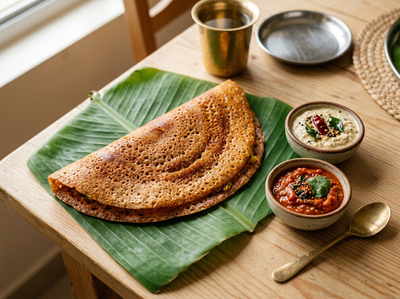 Mapillai Samba Red Rice Dosai Mix
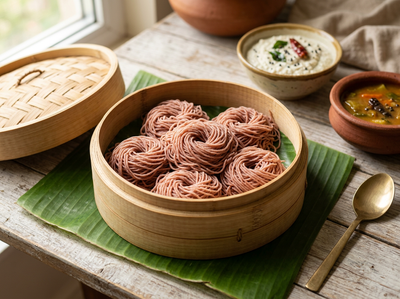 Mapillai Samba Red Rice Instant Idiyappam
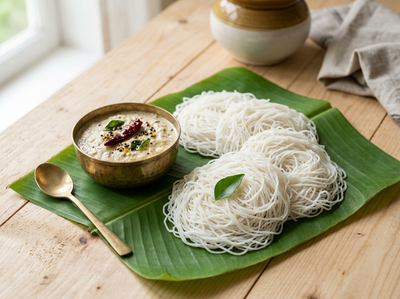 Thooyamalli White Rice Instant Idiyappam
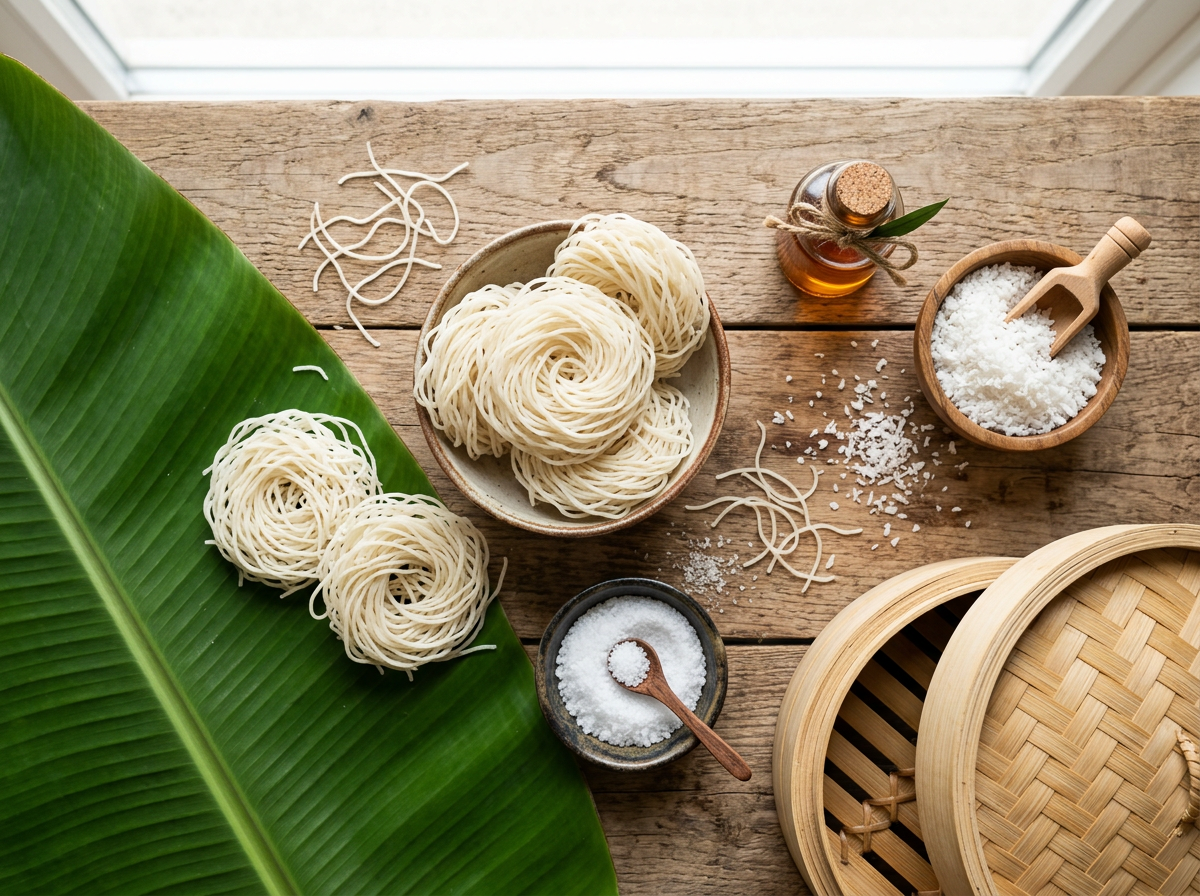
Walk into any Tamil kitchen from a hundred years ago and you would find rice — but not the rice most of us eat today. You would find Thooyamalli perfuming the pot, Mapillai Samba being pounded for a wedding feast, Karuppu Kavuni saved for the festival kheer. Every district had its own varieties, each bred over generations for the local soil, the local water, the local table.
Then came the decades of polished white rice. It was cheaper to mill, faster to cook, easier to trade — and it slowly pushed hundreds of heritage varieties to the edge of extinction. What we gained in convenience, we lost in flavour, fibre and farm diversity.
The good news: the grains never fully disappeared. Small networks of organic farmers across Tamil Nadu kept growing them, saving seed year after year. Varieties like Kaatuyanam — tall enough to "hide an elephant" and famously flood-resistant — survived because a handful of families refused to let them go.
Nutritionally, the case is simple. Most heritage red and black rices keep their bran, which means more fibre, more minerals and a gentler glycemic curve than polished rice. Karuppu Kavuni and Kichli Samba in particular are loved by families watching their sugar.
The catch has always been time — heritage grains traditionally need soaking, grinding and patience. That is exactly the problem our ready-to-cook range solves: we do the soaking and milling the traditional way, so the ten minutes in your kitchen taste like the old hours in your grandmother's.
Keep reading

Soak five minutes, steam five minutes — but the details matter. Here's how to get soft, springy string hoppers every single time.
Read story →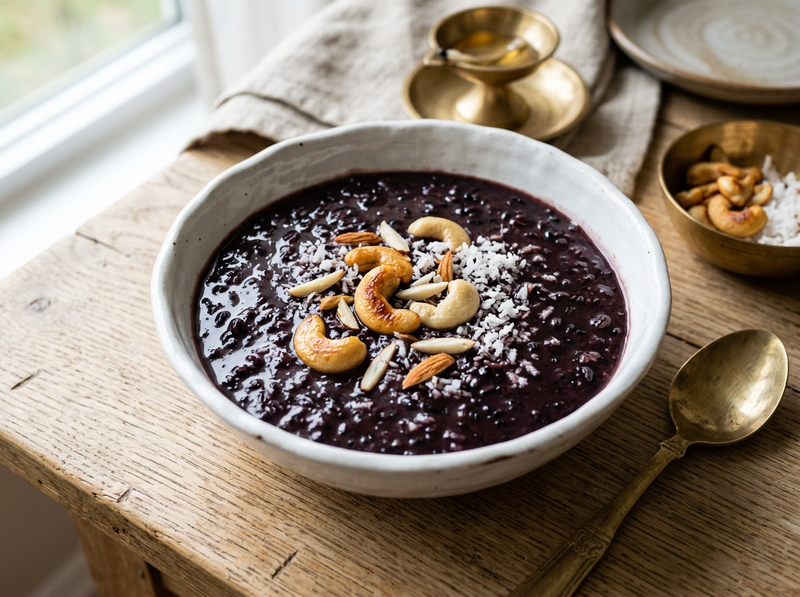
A rice once reserved for royalty, naturally violet-black, creamy when cooked and gentle on blood sugar. Meet the most dramatic ...
Read story →